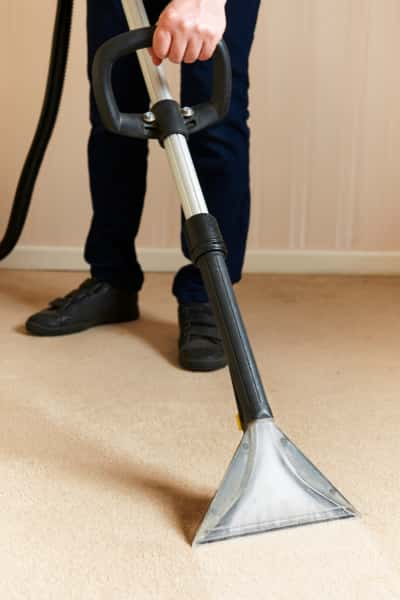
Carpets absorb more than visible dirt. Everyday activities can introduce cooking vapours, food particles, pet smells, moisture, soil and other residues into the fibres. Over time, these can create a stale or persistent odour that remains even after regular vacuuming.
Professional carpet cleaning can often reduce or remove these smells by extracting the material causing them rather than simply covering them with fragrance. The result, however, depends on the source of the odour, how deeply it has penetrated and the condition of the carpet beneath the surface.
How Professional Carpet Cleaning Deals With Household Odours
Successful odour treatment begins with identifying where the smell originates. A carpet may hold the source within its pile, but persistent odours can also come from the backing, underlay, floor beneath or another feature in the room.
Why Carpets Retain Everyday Smells
Carpet fibres and the spaces between them can trap fine particles and residues. Frequent foot traffic then moves this material deeper into the pile, where routine vacuuming may not reach it.
Common sources include:
- Food and drink spills
- Cooking odours
- Dirt carried in on footwear
- Pet hair and residues
- Damp outdoor clothing
- General household dust
- Smoke and airborne particles
- Cleaning-product residue
- Moisture from previous spill treatment
The smell may develop gradually, making it difficult to notice until the room has been closed for a while or furniture is moved.
Vacuuming Cannot Remove Every Odour Source
Vacuuming is essential for regular maintenance because it removes loose soil, hair and debris. However, it cannot always extract oily residues, dried spills or contamination attached to the carpet fibres.
Repeated use of fragranced powders may temporarily change the smell without removing its cause. Powder can also remain within the pile if it is not extracted fully.
When odours return soon after vacuuming or home treatment, deeper cleaning may be required.
Inspection Comes Before Treatment
A professional cleaner should assess the carpet before deciding how to treat it. The inspection may consider:
- Carpet fibre and construction
- The location and strength of the odour
- Visible staining or discolouration
- Previous cleaning products used
- Whether the smell worsens in damp conditions
- The presence of pets
- The age and condition of the carpet
- Signs that contamination has reached the backing
This process helps distinguish between a general stale smell and a concentrated problem requiring targeted treatment.
Cleaning Removes the Residue Behind the Smell
Professional cleaning loosens and extracts embedded soil and residues from the carpet. The method should be selected for the particular fibre, construction and level of contamination.
Unlike an air freshener, effective cleaning aims to remove the material producing the odour. Attention should be given to high-traffic routes, areas around furniture and locations where spills or pet activity have occurred.
Careful rinsing is also important. Excess cleaning solution left within the carpet can attract fresh dirt or create an unpleasant residue of its own.
Targeted Treatment May Be Necessary
General cleaning may be sufficient for mild odours caused by ordinary foot traffic and accumulated household soil. More concentrated smells may require pre-treatment.
Professional products should be chosen around the type of contamination rather than relying on one deodoriser for every problem. The aim is to treat the source while protecting the carpet’s colour and fibres.
A discreet test may be needed before applying treatment across a larger area.
Deodorising Is Different From Masking
A fragranced product can make a room smell pleasant for a short period, but the original odour may return when the fragrance fades.
Professional deodorising is most effective when combined with thorough cleaning. Removing the contamination first allows an appropriate treatment to deal with any remaining odour rather than concealing heavily soiled fibres.
No treatment should be expected to compensate for a source that remains beneath or outside the carpet.
Some Odours Extend Beyond the Carpet Fibres
If a spill has soaked through the pile, contamination may be present in the backing or underlay. In these circumstances, surface cleaning alone may produce only a limited improvement.
The same applies when the smell is caused by:
- Persistent moisture beneath the carpet
- Contaminated underlay
- Residue within the subfloor
- Dampness elsewhere in the room
- Upholstery, curtains or other soft furnishings
- An untreated source outside the carpet
An honest assessment should explain when carpet cleaning is likely to help and when further investigation may be needed.
Drying Is an Essential Part of the Process
A properly cleaned carpet must be allowed to dry effectively. Excess moisture or restricted airflow can create a temporary damp smell and delay the return of the room to normal use.
Drying time depends on the carpet, cleaning method, ventilation and room conditions. The cleaner should avoid over-wetting and provide clear aftercare guidance.
Useful steps may include improving airflow, keeping unnecessary foot traffic away and waiting before replacing furniture. Items should not be returned while the carpet remains damp.
How to Reduce Odours Between Professional Cleans
Simple habits can limit the build-up of odour-producing material:
- Vacuum frequently used areas regularly
- Use entrance mats and keep them clean
- Remove outdoor footwear
- Blot spills promptly rather than rubbing
- Clean pet bedding routinely
- Avoid applying excessive cleaning products
- Keep rooms ventilated
- Make sure damp items are not left on carpets
- Arrange assessment when a smell repeatedly returns
Prompt attention is particularly important because residues are generally easier to treat before they spread deeper into the carpet.
Signs That Professional Cleaning May Help
A professional clean may be beneficial when:
- The room smells stale despite regular vacuuming
- Odours become noticeable after doors or windows have been closed
- A previous spill can still be detected
- Pet smells remain in particular areas
- The carpet feels sticky or heavily soiled
- Household sprays only provide temporary improvement
- The smell becomes stronger during damp weather
These signs do not confirm that the carpet is the only source, but they provide a useful starting point for inspection.
Conclusion
Professional carpet cleaning can often remove odours left by everyday living when the source is held within the fibres or accessible layers of the carpet. Thorough extraction and appropriate treatment are more effective than simply masking the smell.
Where contamination has reached the underlay or another part of the room, additional attention may be required. St Paul’s Cray Carpet Cleaning provides professional carpet and odour treatment services in St Paul’s Cray, Greater London. If a persistent smell is affecting your carpet, contact the team to arrange an assessment.
Call us on: 01689 661 696
Click here to find out more about St Paul’s Cray Carpet Cleaning
Click here to complete our contact form and see how we can help with your carpet needs.